
A bathroom remodel can transform one of the most important rooms in your home, but success starts long before the first tile is removed. Taking time to prepare and plan ahead helps you avoid delays, control costs, and ensure you hire the right contractor for the job.
This bathroom remodeling checklist for Berkeley homeowners walks you through everything you need to review, decide, and prepare before you sign a contract. Whether you’re updating a small powder room or completely redesigning a master bath, these steps will set you up for a smoother renovation experience.
Clarify Your Goals and Budget
Before you reach out to any contractor, spend time getting clear on what you want to achieve. Are you fixing outdated plumbing, adding storage, improving accessibility, or aiming for a full cosmetic upgrade? Write down your must-haves and nice-to-haves so you can communicate clearly with potential contractors.
Your budget will shape every decision that follows. Think about how much you can comfortably spend, then add a buffer of 10 to 15 percent for unexpected issues like hidden water damage or outdated wiring. Without a realistic budget in place, it’s hard to evaluate bids or make smart choices about materials and finishes.
If you’re planning to finance the project, get your loan or line of credit sorted out early. Knowing your final budget number lets you focus on contractors and design choices that fit your financial situation.
Measure Your Space and Take Photos
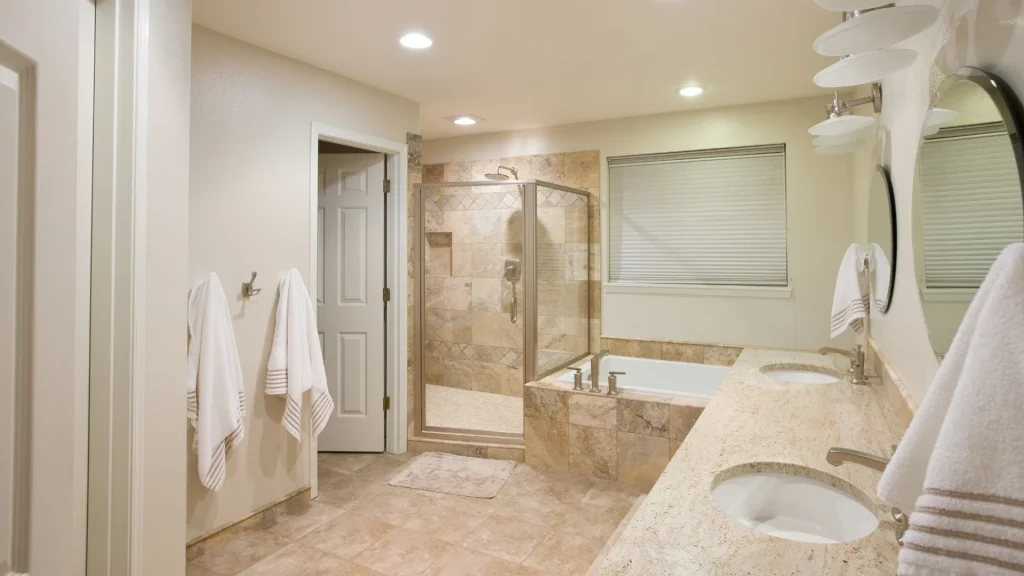
Accurate measurements help contractors give you better estimates and identify potential challenges before work begins. Measure the length and width of your bathroom, ceiling height, and the locations of windows, doors, and plumbing fixtures. Note where electrical outlets and light switches are located.
Take clear photos from multiple angles, including close-ups of the vanity, tub, shower, flooring, and any problem areas like water stains or cracked tile. These photos help contractors understand the current condition and plan the scope of work more accurately.
If you’re considering layout changes, such as moving the toilet or expanding the shower, be aware that relocating plumbing lines can add significantly to the cost. Your contractor can explain the trade-offs during the estimate.
Research Contractors and Check Credentials
Finding the right contractor is one of the most important items on your bathroom remodeling checklist for Berkeley projects. Start by asking friends, family, or neighbors for recommendations. Online reviews can also give you a sense of a contractor’s reputation, but pay attention to how they respond to both positive and negative feedback.
Once you have a shortlist, verify that each contractor holds the proper California contractor’s license. Check their license status through the Contractors State License Board website to confirm it’s active and in good standing. Ask about insurance coverage, including general liability and workers’ compensation, to protect yourself from liability if someone gets hurt on your property.
Don’t hesitate to ask for references from recent bathroom projects. A reputable contractor will gladly connect you with past clients who can speak to their work quality, communication, and reliability.
Ask the Right Questions During Consultations
When you meet with contractors for estimates, come prepared with a list of questions. Ask how long they’ve been doing bathroom remodeling services and how many similar projects they complete each year. Find out who will be on-site each day and whether they use subcontractors or their own team.
Discuss the timeline from start to finish, including how long you should expect to be without a working bathroom. Ask what happens if the project uncovers unexpected issues like mold or outdated plumbing. Understanding how the contractor handles surprises will give you confidence in their problem-solving approach.
Make sure you understand the payment schedule. Most contractors ask for a deposit to order materials, then progress payments at certain milestones, with a final payment due after completion and your approval. Avoid paying the full amount upfront.
Understanding the Scope of Work
A detailed scope of work protects both you and your contractor. It should list every task, from demolition and plumbing to tile installation and painting. The more specific the scope, the less room there is for misunderstandings about what’s included in the price.
Ask whether the bid covers hauling away old fixtures and debris. Clarify who provides materials and whether the estimate includes all finishing touches like caulking, grout sealing, and cleanup. These small details can add up if they’re not clearly spelled out.
Prepare Your Home for the Project
Once you’ve chosen a contractor and signed a contract, take steps to get your home ready. Clear out everything from the bathroom, including toiletries, towels, medications, and decorations. Remove or cover nearby furniture and belongings in adjacent rooms to protect them from dust.
Set up a temporary bathroom solution if this is your only full bath. You may need to use a bathroom on another floor, arrange access to a neighbor’s facilities, or even book a nearby gym membership for showers. Talk to your contractor about how long the bathroom will be out of service so you can plan accordingly.
Let your neighbors know that construction will be happening, especially if you live in a densely populated area like Berkeley CA. Noise, parking, and occasional disruptions are part of any renovation, and a heads-up helps maintain good relationships.
Plan for Pets and Children
Construction sites are not safe for curious kids or pets. If possible, keep them away from the work area throughout the project. Dust, sharp tools, and open work zones create hazards that are best avoided.
If you work from home, consider setting up a workspace as far from the bathroom as possible. Power tools and demolition can be loud, and frequent interruptions are common as workers move materials in and out.
Review Permits and HOA Requirements
Most bathroom remodels require permits, especially if you’re changing plumbing, electrical systems, or structural elements. Your contractor should handle the permit process, but it’s your responsibility to confirm that permits are pulled before work begins.
Check your city’s building department website or call directly to understand what’s required. Unpermitted work can lead to fines, trouble selling your home later, and even liability if something goes wrong. If you live in a condo or planned community, check with your homeowner’s association about rules for renovation projects.
Permits also mean inspections, which can add a few days to your timeline. Plan for these checkpoints and understand that your contractor may need to pause work until an inspector signs off on certain phases.
Choose Materials and Finishes Early
Delays often happen when homeowners haven’t selected materials before the project starts. Visit showrooms, browse samples, and finalize your choices for tile, fixtures, vanities, lighting, and hardware before demolition begins. Many items have lead times of several weeks, so ordering early keeps your project on schedule.
If you’re working with a designer or your contractor offers design help, take advantage of their expertise. They can steer you toward durable, water-resistant materials that hold up well in a bathroom environment and fit within your budget.
Keep all receipts and product information for fixtures and finishes. You’ll need these for warranty claims and future repairs or touch-ups. Store extra tiles and grout in case you need to make repairs down the road.
Frequently Asked Questions
How long does a typical bathroom remodel take?
Most bathroom remodels take between two and four weeks, depending on the size of the space and the scope of work. Simple updates like replacing fixtures and repainting can be done in a week or less, while full renovations with layout changes, custom tile work, and new plumbing can take a month or more. Your contractor should give you a realistic timeline during the estimate.
Do I need to be home during the remodel?
You don’t need to be home every minute, but it’s helpful to be available for quick questions and decisions. Most contractors prefer that someone is present at the start and end of each day to lock up and review progress. Clear communication about your schedule helps the project run smoothly.
What should I do if I find a problem during the remodel?
Let your contractor know right away if you notice something that concerns you. Good contractors welcome questions and will explain what’s happening and why. If the crew uncovers an unexpected issue like a plumbing leak or rotted subfloor, your contractor should document it, explain the options for repair, and provide a change order for any additional work and cost.
Ready to Start Your Bathroom Remodel?
Preparing for a bathroom renovation doesn’t have to be overwhelming when you follow a clear bathroom remodeling checklist for Berkeley projects. Taking time to plan, budget, and choose the right contractor sets the foundation for a successful transformation.
NEMARTI Modern World Construction brings over 15 years of experience in home remodeling services to homeowners throughout the Bay Area. We treat every project with honesty, professionalism, and the care we’d give our own homes. If you’re ready to create the bathroom you’ve been dreaming of, give us a call at 4154109846 or visit our contact page to request a free estimate. We’re here to help you every step of the way.